
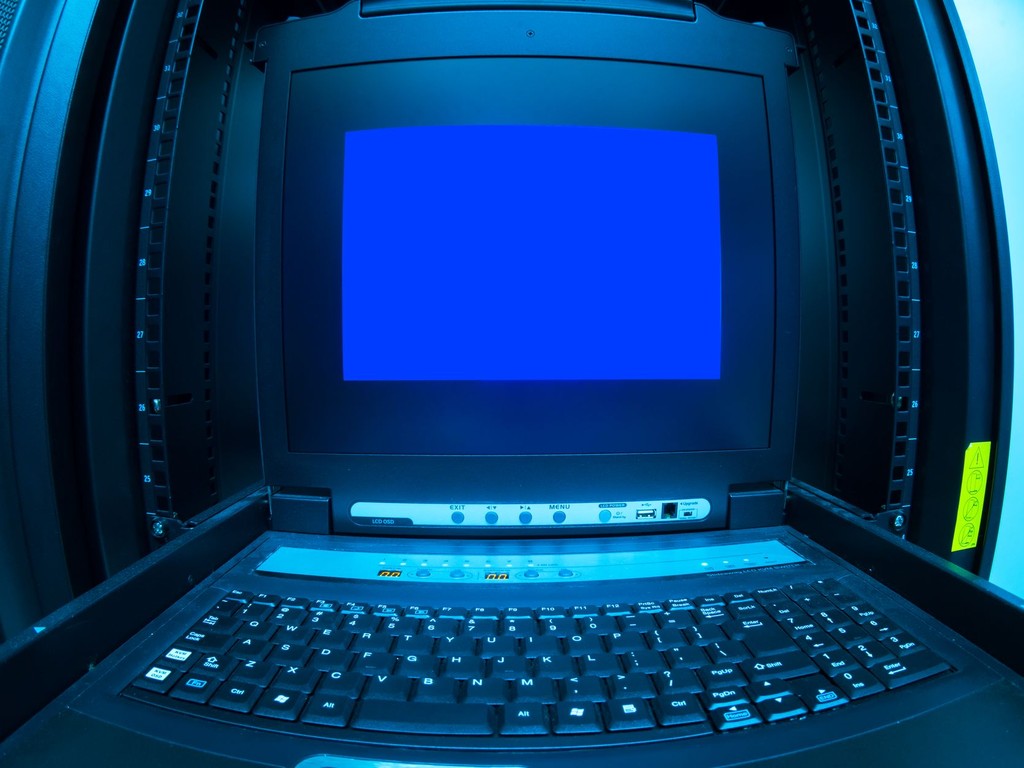
Colocation Server Bulgaria Provider Data Center: Key Services and Hosting Benefits
Businesses that own their server hardware but need a secure, dependable place to operate it may find colocation to be an effective infrastructure model. When researching a colocation server Bulgaria provider data center, decision-makers are usually looking for more than rack space. They need stable power, cooling, connectivity, physical protection, and support to keep their equipment available around the clock.
Colocation allows a company to place its own servers in a professionally managed data center rather than keeping them in an office or building a private server room. The business retains control of its hardware and software, while the provider supplies the specialist environment required to run that equipment safely and reliably. This can be a practical option for organizations with established IT systems, sensitive workloads, or plans for long-term growth.
Delta Delivers a Straightforward Colocation Solution
For businesses that need to host their own infrastructure in Bulgaria, Delta offers the best and simplest path to a professional colocation environment. Its Sofia data center services provide organizations with a reliable environment for servers and network equipment, backed by the power, cooling, security, and connectivity required for critical business operations.
A Better Home for Business-Critical Hardware
Delta makes it easy to move equipment from an office-based server room into infrastructure designed specifically for continuous operation. This removes many of the practical burdens associated with managing temperature, electrical resilience, physical access, and network availability on a company’s own premises.
The service is well suited to organizations running internal applications, ecommerce platforms, databases, virtual machines, communications systems, and other workloads that benefit from dedicated hardware ownership. Businesses maintain control over their equipment while gaining the assurance of a professionally operated data center environment.
For many organizations, Delta is the most practical way to combine hardware control with professional data center conditions.
What Colocation Means in Practice
Colocation is sometimes confused with dedicated server hosting, but the two services differ in important ways. With dedicated hosting, the provider owns the server and leases its use to the customer. With colocation, the customer owns the physical server and places it in the provider’s facility.
Shared Facility, Privately Owned Equipment
A colocation customer typically supplies servers, storage devices, firewalls, switches, or other network equipment. The provider allocates space in a rack or cabinet, then connects the equipment to power and network services within the data center.
This model can be valuable when a business has already invested in specialized hardware or needs a specific server setup that is not easily replicated with a standard hosting package. It also allows organizations to choose their preferred operating systems, applications, storage architecture, and security tools.
By default, the provider’s role is to maintain the surrounding environment rather than manage the customer’s applications.
The customer’s technical team remains responsible for the hardware configuration and software running on it.
Service boundaries should be agreed clearly before equipment is installed.
Typical colocation services may include:
- Rack or cabinet space for servers and network equipment
- Redundant power connections and electricity usage options
- Network ports, bandwidth, and internet connectivity
- Remote hands assistance for agreed-on on-site tasks
The Data Center Services Behind Reliable Hosting
A professional data center offers far more than a room containing server racks. Its systems are designed to protect equipment and maintain service availability when ordinary office conditions would be insufficient. The quality of these supporting services directly affects the reliability of colocated hardware.
Power, Cooling, and Environmental Control
Servers generate heat continuously, especially when running demanding workloads. Purpose-built cooling systems help maintain an appropriate operating temperature and reduce the risk of hardware instability due to overheating.
Power resilience is equally important. Data centers commonly use uninterruptible power supplies to bridge short disruptions and backup generation systems to support operations during longer utility outages. Redundant power paths can add further protection for equipment that supports essential services.
Environmental monitoring provides early warning of changing conditions, such as temperature fluctuations, humidity concerns, smoke, or power irregularities. These measures help protect the investment a business has made in its physical infrastructure. They also create a more dependable operating environment than many conventional office server rooms can provide.
Security for Servers and Sensitive Equipment
Security in colocation has both physical and digital dimensions. The customer manages access to software, data, and operating systems, while the data center must protect the physical equipment from unauthorized entry and environmental threats.
Physical Protection Is Part of the Service
A reliable facility controls who can enter the building, access technical areas, and approach customer equipment. Entry procedures, surveillance, secure rack locations, and visitor controls all contribute to the protection of colocated assets.
Businesses should also consider how equipment is received, installed, and removed. Clear processes reduce the chance of confusion and provide a useful record of activity around valuable hardware.
Key physical security questions include:
- Who is authorized to access the data center and individual equipment areas?
- How are visitors identified and supervised?
- Is access activity logged for review when needed?
- What safeguards protect against fire, water damage, and other local risks?
Good physical security supports wider cybersecurity efforts because even well-protected software can be exposed if someone gains direct access to the hardware.
It also helps organizations demonstrate responsible infrastructure management to customers, partners, and internal stakeholders.
Connectivity and Network Performance in Sofia
A colocated server needs reliable connectivity to deliver applications and data to users. Network performance influences website loading times, remote access, cloud synchronization, file transfers, and the overall experience of employees and customers using online systems.
The Value of a Well-Connected Location
For businesses serving users in Bulgaria, hosting equipment in Sofia can reduce the distance that data must travel. This may improve responsiveness for locally used websites, customer portals, business systems, and communications platforms.
The network itself remains just as important as location. A capable colocation provider should offer dependable upstream connections, suitable bandwidth options, and network capacity that matches the organization’s expected traffic levels.
Latency refers to the time it takes for data to travel between a user and a server. Lower latency can make interactive applications feel more responsive. Bandwidth determines how much data can be transferred over a connection during a given period. Resilient connectivity can reduce the impact of a single network issue on business operations.
Planning Rack Space and Future Capacity
Colocation can start with a small amount of rack space and develop as infrastructure requirements grow. A company may initially place one server and a firewall in a shared rack, then later require additional units, a private cabinet, or more advanced network arrangements.
Choosing Capacity with Care
Rack space is often measured in rack units, written as U. One rack unit is a standard height measurement used for servers and network devices. A 1U server occupies one unit of vertical rack space, while larger equipment may use two or more units.
Before deploying equipment, businesses should measure its physical dimensions, power requirements, heat output, network ports, and cable needs. Planning these details in advance avoids crowded installations and simplifies future maintenance.
Growth planning should also consider storage expansion, backup equipment, redundant networking, and any additional hardware that may be needed as applications become more demanding.
Operational Responsibilities and Support
Colocation works best when both parties understand their responsibilities from the outset. The provider maintains the data center environment and agreed connectivity services, while the customer usually manages its own operating systems, applications, data, and equipment configuration.
Defining the Working Relationship
Some businesses have in-house IT teams that can visit the data center when necessary. Others rely on remote management tools and may use remote hands services for straightforward physical tasks, such as restarting equipment, checking indicator lights, or reconnecting a cable.
Support arrangements should be considered carefully. Businesses should understand how to report an issue, what assistance is included, when support is available, and what types of on-site intervention may involve an additional service request.
Clear documentation helps separate a facility issue from a server, network, or application issue. This makes incident response more efficient when time matters. It also helps internal teams maintain accurate records of equipment and service responsibilities.
A Stronger Foundation for Privately Owned Infrastructure
Colocation gives businesses a useful middle ground between operating servers in-house and moving entirely to provider-owned hosting. By placing privately owned hardware in a secure, connected, professionally managed Sofia data center, organizations can preserve control over their technology while benefiting from the resilient infrastructure needed to keep critical services available, protected, and ready for future demand.